
Anemone Review
Achingly slow, ambling, and at times given to its worst, most artsy and pretentious impulses, Anemone is a frustrating vehicle if only because the two amazing, all-time monologues from Daniel Day-Lewis compel you to sit through the rest of the film.
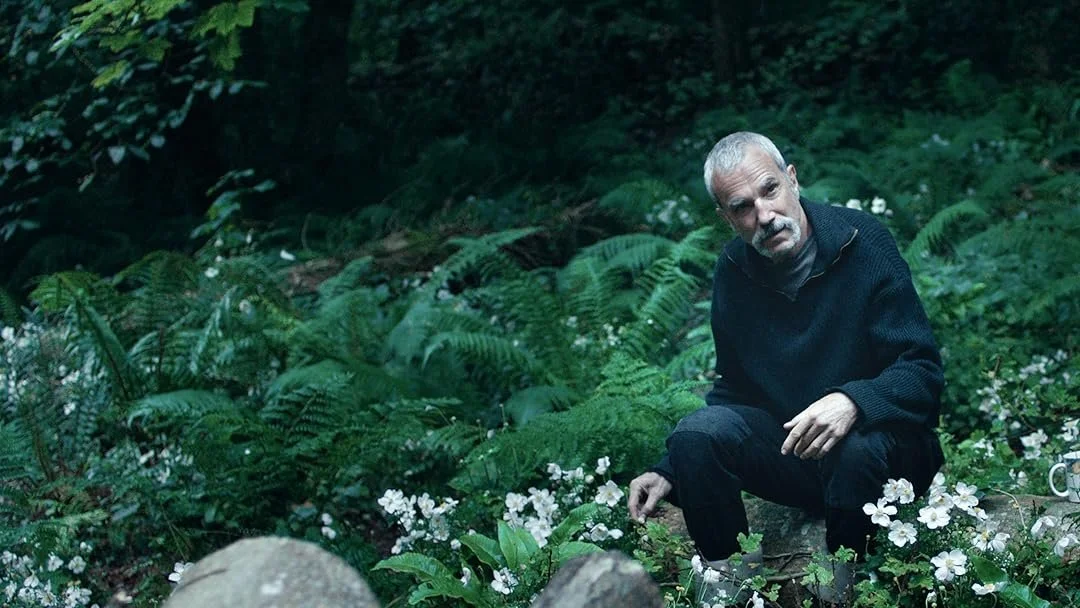
Jem Stoker (Sean Bean) journeys into the woods to find his brother Ray (Daniel Day-Lewis). Ray has been living off the land, away from the society, for nearly two decades - ever since he walked out on his wife Nessa (Samantha Morton) and son Brian (Samuel Bottomley), who have since brought Jem into their family. But he never gave a reason. With Brian in trouble, and Nessa and Jem worried, Ray must decide whether to confide in his estranged brother, and whether to return - even briefly - to his life and society.
Anemone is a film that ambles its way through a story we’ve seen before. Rarely is there a moment in this movie that feels new or inventive. Director Roman Day Lewis treats this debut feature like a first foray in film school; poaching scenes and moments from other films in a pastiche of tropes that can at times be frustrating. There’s the starting sequence of complete silence between two brothers, which never feels real or earned - through to slo-mo shadow boxing.
The story itself is rarely of interest. The forsaken brothers reunited has been done before, as has the son impacted (frankly, pretty unreasonably in this case) by a departed father. There’s something kind of new and interesting in Ray’s war experience and the reveal during his monologue feels fresh, but it’s too much in short supply. There are many stories intersecting here, and often it feels like both too much and too little in the same breath.
And visually, the film at times strikes gold with incredible cinematography, but at other times feels oddly cheap, or aggressively artsy. The pretension of the floating ex-wife in front of Day Lewis on his bed is entirely at odds with the horrible low angle on his monologue; and both are at odds with the quality of the next shot in said monologue, when he leans forward into frame and it creates a truly captivating visual. It’s a tough watch at times visually, because some of the film feels overwrought, but the moments that work really work.
Ultimately, that’s something that can be said about the entire film. Because for all the gripes with the story and pacing and direction and script, not to mention the cinematography, there are moments of genuine brilliance. Some beautiful visuals do seep their way through. And there is, of course, the film’s saving grace.
That saving grace is Daniel Day-Lewis, who returns from retirement to act in and co-write this film. And his two monologues in this film stand as towering testaments to anyone who - in his brief hiatus - questioned his talent or skill. Day-Lewis is completely magnetic, as always, and whether they are letting his wax lyrical about taking a shit on a Priest, or having him bawl his eyes out about a bombed out IRA stronghold, when they let him do his thing it is an absolute joy to behold.
The only problem is this is also the movie’s biggest flaw, because nothing in it can hold a candle to him on screen. Everything else feels hollow and pale by comparison, and even Sean Bean seems largely relegated to sitting in silent wonder at his co-stars performance for most of the flick. It’s a double edged sword, but it’s also undeniable to say that this film is worth the price of admission just for Daniel Day-Lewis’ monologues; even if you might have to fight to stay awake to see them.
