
The History of Sound Review
Slower paced but compelling, and at times heartbreaking, viewing.
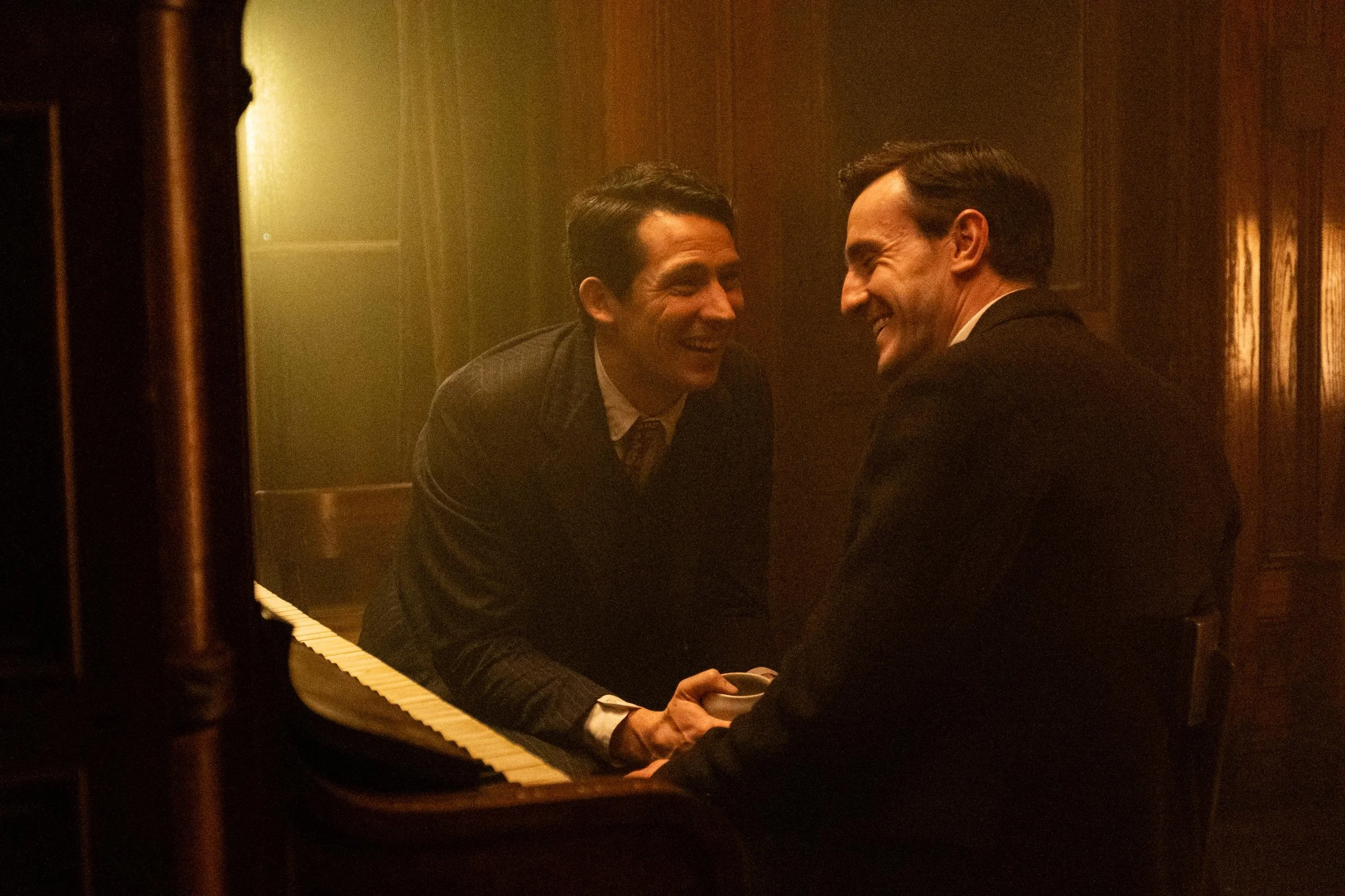
Lionel (Paul Mescal) leaves his small farm to attend a conservatory in Boston, after discovering his talent for music. It’s there he meets David (Josh O’Connor), whose photographic memory and passion for ‘song collecting’ enthralls him nearly as much as the man himself. Lionel and David begin a love affair, one that is halted briefly when David has to go to Europe for World War I. Upon his return, the two reunite for a song collecting trip in rural Maine, where - traipsing across the harsh terrains of the North - they try to find comfort again in one another.
The History of Sound is a heartbreaking romance told through two quiet souls’ love of music. O’Connor and Mescal are both wondrous, and while the film can at times be a little slow and meditative, it’s an undeniably beautiful and deeply affecting piece that will infuse you by the end with the lead character’s deep sense of heartbreak and regret.
Director Oliver Hermanus takes his abundant time with this film, and let’s the smaller moments play out in ways that bring a sense of realism to it. The visuals are spectacular and spare - the bar they meet in is a barely there wisp of a thing, the region climes even sparser. Across the board, the settings and the cinematography of the place make this feel cold and harsh - just as the time it is set in was cold and harsh to humanity.
Which makes the close moments of warmth so exhilarating and enticing. These two close together talking, whispering, laughing, kissing, or laying in bed the next morning - it’s moments like these that Hermanus makes feel like a flickering fire in the dark cold of the universe, giving just enough warmth to keep on going.
O’Connor cuts a tragic character, and his nuanced performance really captures the slight shift in his persona pre and post war. His eventual arc feels realistic and lived in once revealed, and while there is never a big, showy moment for him, and his charm is definitely period appropriate, he is nevertheless a charismatic presence on screen.
He’s ably matched by Mescal, who infuses his character with a general good-natured warmth, sensibility, kindness and overall sense of ‘chill’ about the world that is maintained even after he sheds his simple country boy persona and finds himself living it up in Italy or the UK. Mescal gives his role a certain concept of simpleness that never leaves; it’s not a simpleness of intellect, but rather a simple process of methodically thinking, sorting out ones emotions across time and space rather than in immediacy.
It’s that ultimate sorting that makes this film affecting, because while for large swathes it can be somewhat quiet and interminable, as it progresses towards the conclusion it picks up pace. There’s a gorgeous scene with Lionel just losing it briefly upon some bad news at a college in Maine that really strikes. But nothing hits quite like the final passages, that sum it all up; a life for Lionel that has taken him far beyond his small patch, his humble beginnings. One that had him meet David, and then saw him take on the world. Success, fame, a life lived to its max. But also one completely and utterly consumed by regret at having lost his love. It’s an ending that crushes you. And one that will leave you shuffling out of the cinema, your footsteps drowned out by the tears and sniffles of the other patrons around you.
